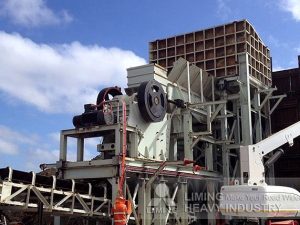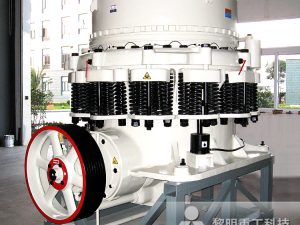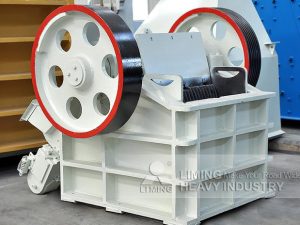
The 100-300 TPH Capacity: A Market Sweet Spot
A production line designed for 100-300 TPH is ideal for medium to large-scale quarries, major infrastructure project support, and regional aggregate suppliers. Equipment for this capacity range, such as mobile crushing stations or fixed plant setups involving jaw crushers, cone crushers, and impact crushers, represents a substantial but crucial investment. The price reflects engineering design, equipment robustness, technological features (like automation and dust control), and the supplier's service package. True cost-effectiveness is measured not just by the initial purchase but by sustained performance, product quality, and operational efficiency.
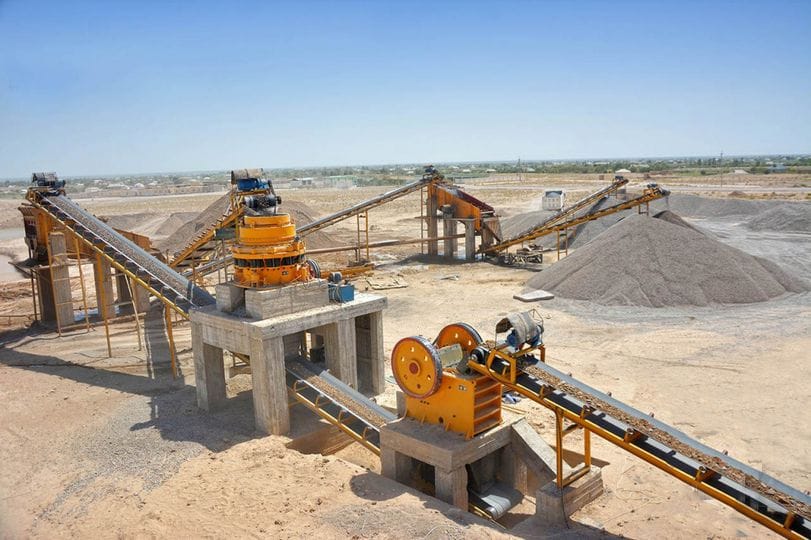
Real Case Study: A 300 TPH Limestone Crushing & Sand-Making Line
One of Liming Heavy Industry's flagship projects exemplifies the transformative power of a well-designed, high-capacity line. A mining enterprise with a large limestone reserve faced challenges with environmental compliance, low resource utilization (around 70%), and inefficient management.
Liming, acting as the EPC (Engineering, Procurement, and Construction) general contractor, delivered a complete turnkey solution with a design capacity of 300 tons per hour (approximately 3 million tons annually).
Project Configuration & Core Equipment:
- Processing Material: Limestone
- Design Capacity: 1000 TPH
- Core Equipment: This included 2 C6X Jaw Crushers for primary crushing, 4 CI5X Impact Crushers for secondary crushing, 7 S5X Vibrating Screens for grading, and a VU300S Aggregate Optimization System for sand shaping.
- Finished Products: High-quality machine-made sand (0-5mm) and various sizes of aggregate (5-31.5mm).
Tangible Results & Return on Investment:
The project's success, achieved through an investment of 732 million RMB, demonstrates how the price of equipment translates into multi-faceted returns:
| Aspect | Outcome | Economic Impact |
|---|---|---|
| Product Quality & Revenue | Produced premium aggregates and sand with excellent grain shape. The machine-made sand, with mud content below 3%, commanded a price about 20% higher than ordinary sand. | Annual sales revenue exceeded 200 million RMB. |
| Resource Utilization | The VU system transformed waste rock powder into valuable sand, increasing comprehensive resource utilization to 95%—a 25% increase. | Equivalent to producing an extra 750,000 tons of usable material annually, generating approximately 50 million RMB in additional value. |
| Environmental Compliance | Full enclosure, dust removal systems, and water recycling ensured emissions were one-third of the national standard, earning "National Green Mine" recognition. | Avoided fines and shutdowns, ensured social license to operate, and reduced water costs. |
| Operational Efficiency | Digital monitoring and intelligent control reduced unplanned downtime by 40%. | Prevented over 2 million RMB in annual losses due to stoppages. |
Other Project References within the Capacity Range
Liming's portfolio includes several other projects that align with the 100-300 TPH scope, showcasing their equipment's versatility:
- Russia, Crimea Limestone Project: A 250 TPH mobile crushing line for bridge construction, using a combination of mobile stations (KE860-1, KH300-2, KV9532-2) to produce multiple aggregate specifications.
- Gansu, China Granite Project: A 400 THP fixed plant for a major water diversion project, configured with PE Jaw Crushers and HPT Multi-cylinder Hydraulic Cone Crushers to process hard granite. This output slightly exceeds the range but demonstrates capability for harder materials.
- Papua New Guinea River Stone Project: A 200 TPH mobile sand-making station (KS1860-1) producing high-quality concrete aggregate from river stone.
Factors Influencing Stone Crusher Price for 100-300 TPH Plants
As seen in the cases, the "price" is for a total solution. Key factors include:
- Equipment Configuration & Technology: The choice between fixed and mobile plants, the type of crushers (e.g., cone for hard rock, impact for softer), and the inclusion of advanced shaping or control systems significantly affect cost. For example, Liming's VSI6X impact crusher incorporates a four-port rotor design to increase efficiency by about 20% and extend wear part life.
- Automation & Intelligence: Investments in digital platforms for real-time monitoring and predictive maintenance, as used in the 300 TPH case, add to the initial price but drastically reduce long-term operating costs.
- Environmental Solutions: Comprehensive dust suppression, noise reduction, and water recycling systems are essential for modern operations and are a necessary part of the investment.
- Service Model: Opting for an EPC turnkey service from a provider like Liming Heavy Industry typically involves a different pricing structure compared to purchasing equipment piecemeal but guarantees project outcome, timeline, and performance.
When evaluating the price for a 100-300 TPH stone crushing plant, the focus should shift from mere equipment cost to the total value of a production solution. The real-world cases from Liming Heavy Industry demonstrate that a well-engineered plant, even with a higher initial investment, delivers superior returns through higher product value, maximized resource yield, guaranteed compliance, and intelligent, low-dowtime operation. The true metric is the cost per ton of high-quality, in-spec aggregate produced sustainably over the plant's lifetime.
Recommandations associées
-
Améliorer l’efficacité du concassage du minerai de cuivre : le succès du Pérou avec 5 000 tonnes par jour
-
Cinq réglages de paramètres pour augmenter la capacité de production du concasseur à cône de 20 %
-
Causes de l’excès de poussière dans les lignes de production de sable et de gravier et solutions professionnelles